Customer Experience
Design, Measure, and Improve Every Customer Touchpoint
Deep Dive into the Customer Experience
Customer experience is not defined by a single interaction.
It is shaped by the cumulative effect of every touchpoint a customer encounters—across digital channels, physical locations, and operational processes.
Some customer journeys are simple. Many are not. And when friction appears—late deliveries, stockouts, long wait times, or inconsistent service—customers feel it immediately.
At T2-Labs, we help organizations design customer experiences intentionally, measure their economic impact, and prioritize the changes that matter most.
What Is Customer Experience?
Customer experience (What is CX?) is the totality of interactions a customer has with your organization—from initial discovery through purchase, fulfillment, and repeat engagement.
While individual touchpoints matter, experience consistency matters more. When organizations clearly define:
The expected customer journey
The outcomes of each interaction
The data needed to measure performance
they gain control over experience delivery instead of reacting to complaints after the fact.
Why Customer Experience Breaks Down
Even well-designed journeys can fail.
As customers move across channels—online, in-store, delivery, and support—small issues accumulate:
Confusing handoffs
Operational delays
Mismatched expectations
Process gaps between teams
Left unaddressed, these issues reduce retention, loyalty, and lifetime value.
That’s why customer experience improvement requires structure, measurement, and coordination, not isolated fixes.
Our Customer Experience Framework
We use a six-step framework to help organizations see customer experience clearly, identify friction, and drive measurable improvement.
“A problem well stated is half solved.”
Charles Kettering
Step 1: Customer Journey
We begin by viewing the experience through the eyes of your customer.
Together, we map the full customer journey across every channel and interaction—from first engagement to repeat visits. This reveals:
Where experiences are straightforward
Where journeys branch or become complex
Where customers are likely to struggle or disengage
Customer journey mapping helps organizations understand not just what customers do—but why they do it.
Step 2: Identify Friction Points
Once the journey is mapped, we surface the pain points that create friction.
For each friction point, we examine:
Frequency of occurrence
Severity of impact
Where it appears in the journey
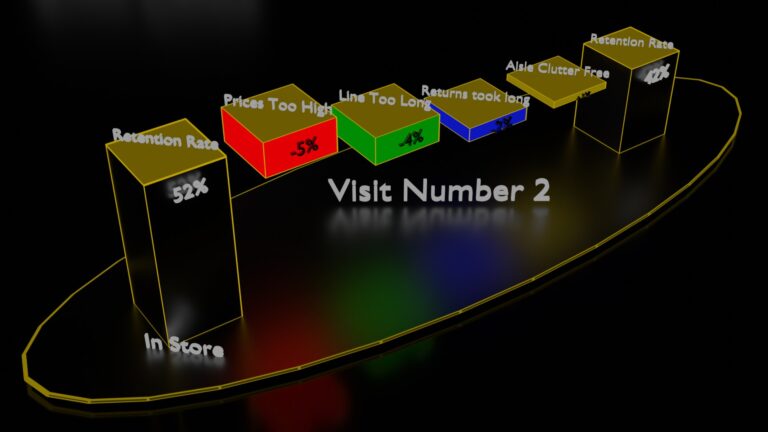
These issues often drive:
Lower Satisfaction
Reduced Retention
Lower Revenue
By cataloging friction systematically, organizations move from anecdotes to evidence.
Step 3: Impact Assessment
Not all problems matter equally.
For each customer touchpoint, we quantify:
How often it occurs
Its impact on customer retention
Its influence on repeat visits and loyalty
By combining impact and frequency, leaders can prioritize investments that deliver the greatest return—rather than spreading effort thinly across low-value fixes.
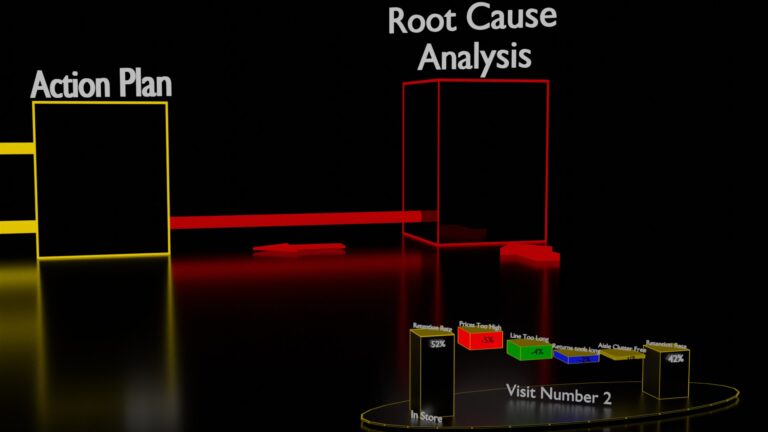
Step 4: Root Cause Analysis
With priorities established, we focus on why the experience is breaking down.
Through causal analysis, we identify:
Process failures
Structural constraints
Operational dependencies
This step shifts teams from treating symptoms to addressing the underlying drivers of poor experience.
Step 5: Implement Action Plan
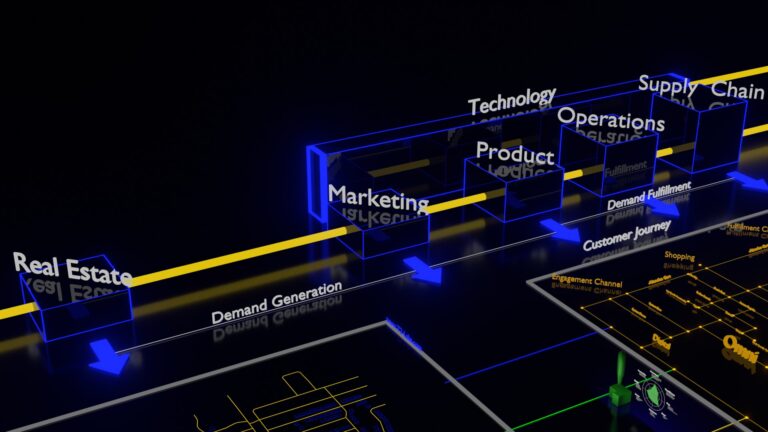
Improving customer experience requires coordination.
Each team—operations, supply chain, marketing, product, or real estate—executes its portion of the action plan in alignment with others. This prevents fixes in one area from creating problems downstream.
Well-coordinated action plans:
Eliminate recurring pain points
Improve consistency across channels
Strengthen the overall experience
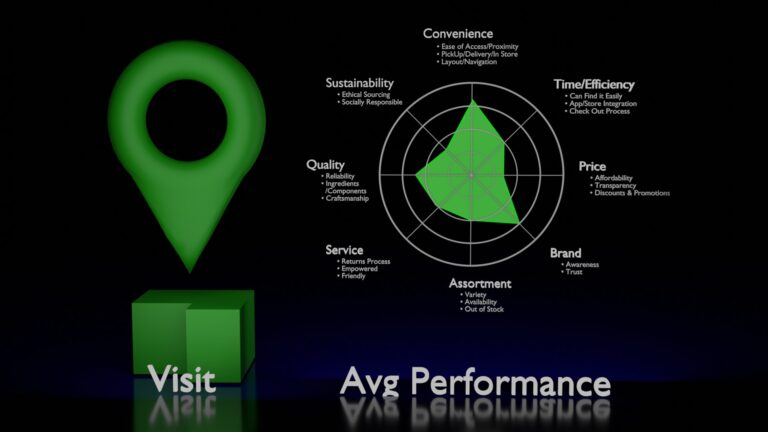
Step 6: Assess Performance
Once changes are implemented, performance is reassessed.
We monitor:
Experience metrics
Retention outcomes
Areas that underperform expectations
Customer experience is not static. Continuous measurement ensures improvements persist as markets, customer behavior, and competitive dynamics evolve.
Continuous Improvement
Understanding customer experience is only the first step.
The real value comes from:
Connecting experience drivers to economic outcomes
Prioritizing changes that matter
Executing improvements with confidence
At T2-Labs, we help organizations move from insight to action—using data, structure, and simulation to guide decisions.
Summary
Customer experience is built through intentional design—not chance.
Our approach helps organizations:
Map the customer journey
Identify friction
Quantify impact
Address root causes
Execute coordinated improvements
Continuously measure performance
The result is a more consistent, resilient, and profitable customer experience.